

Beyond the numbers
The Trump administration finally released PEPFAR data, but the datasets don't reveal the true impact of funding cuts

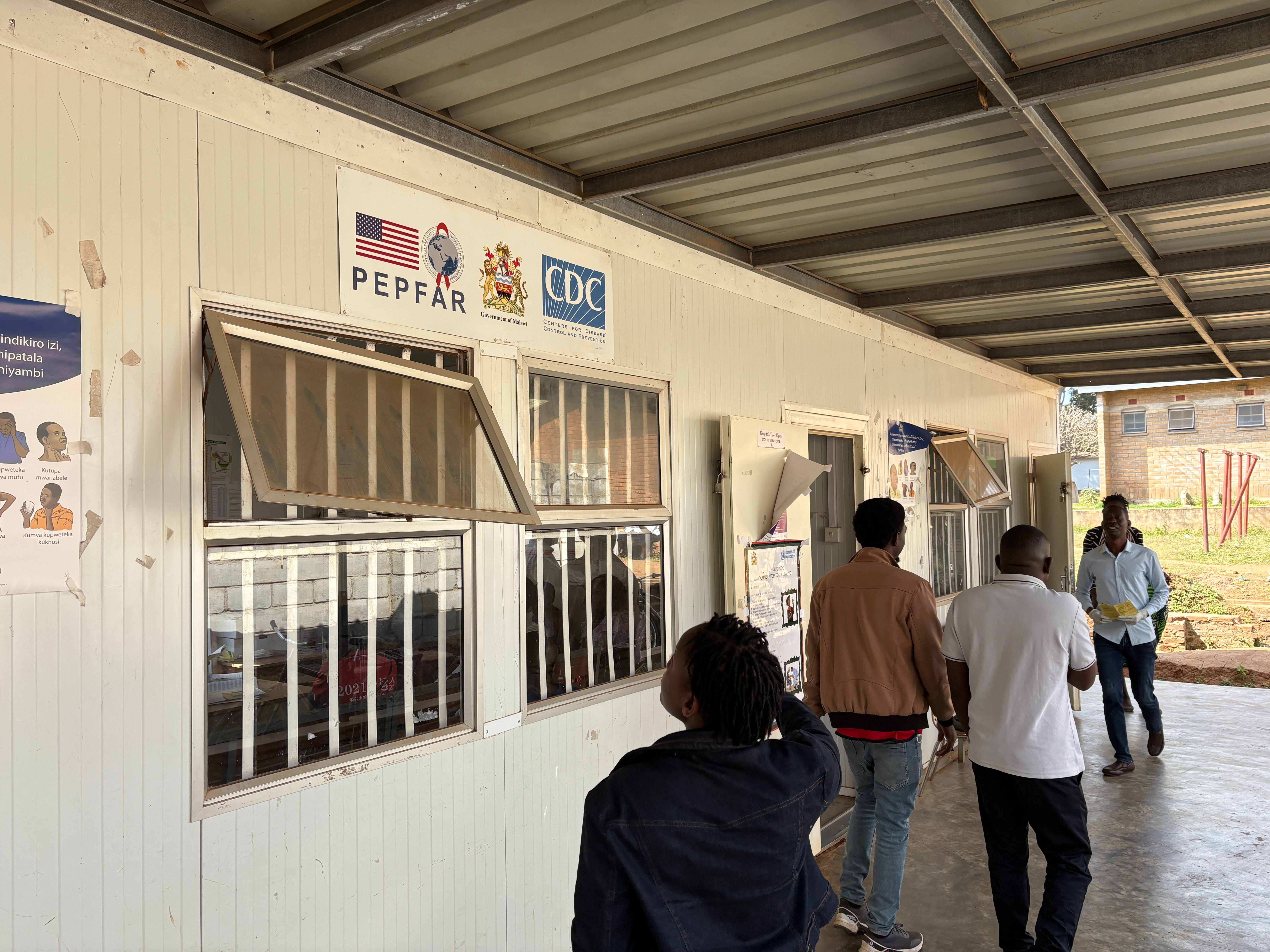
The numbers don’t tell nearly the whole story.
More than 14 months after it disrupted and then began dismantling parts of the President’s Emergency Plan for AIDS Relief, the Trump administration finally released some data on how the program is performing.
Not all of the data, of course. They skipped the first three quarters of the 2025 fiscal year (which covers the period of greatest destruction). They have offered up numbers for the final quarter, covering the period between July and September, once programs had started to stabilize.
The State Department’s headline was that PEPFAR supported roughly the same number of people on HIV treatment in that quarter – 20.6 million – as it had in the final quarter of the previous fiscal year.
But no matter how the State Department seeks to spin the data, most of the other outcomes are undeniably worse. They include stark drops in the numbers of people tested for HIV or started on prevention services. If fewer people started prevention, that will almost certainly lead to a rise in new infections. If fewer people were tested, that means longer periods of time during which people who are infected might unknowingly be transmitting the virus. It also means a heightened risk that they won’t get connected to services until it’s too late.
The data offer only a snapshot of the impact on HIV services. But the reality is that the cuts to PEPFAR caused disruptions that extend beyond just one disease.
Some researchers from amfAR and the International AIDS Society scratched out a figure that reflects just how disruptive: 62,541. That’s the reduction in the number of nurses and community health workers who were providing direct services. They may have been hired by PEPFAR, but their loss is being felt across entire health systems.
After the United States froze foreign aid last January, there were suddenly no nurses to distribute lifesaving HIV treatment at Mpemba Community Hospital in southern Malawi. The anti-retroviral clinic was run entirely by U.S.-supported staff. Mphatso Mitengo, the head nurse at the facility, was forced to pluck nurses from other departments and reassign them to the ARV clinic.
“We were a bit stressed because other services also were compromised,” she said. Mitengo ended up pulling nurses from the antenatal clinic, because they were best trained to maintain the ARV services.
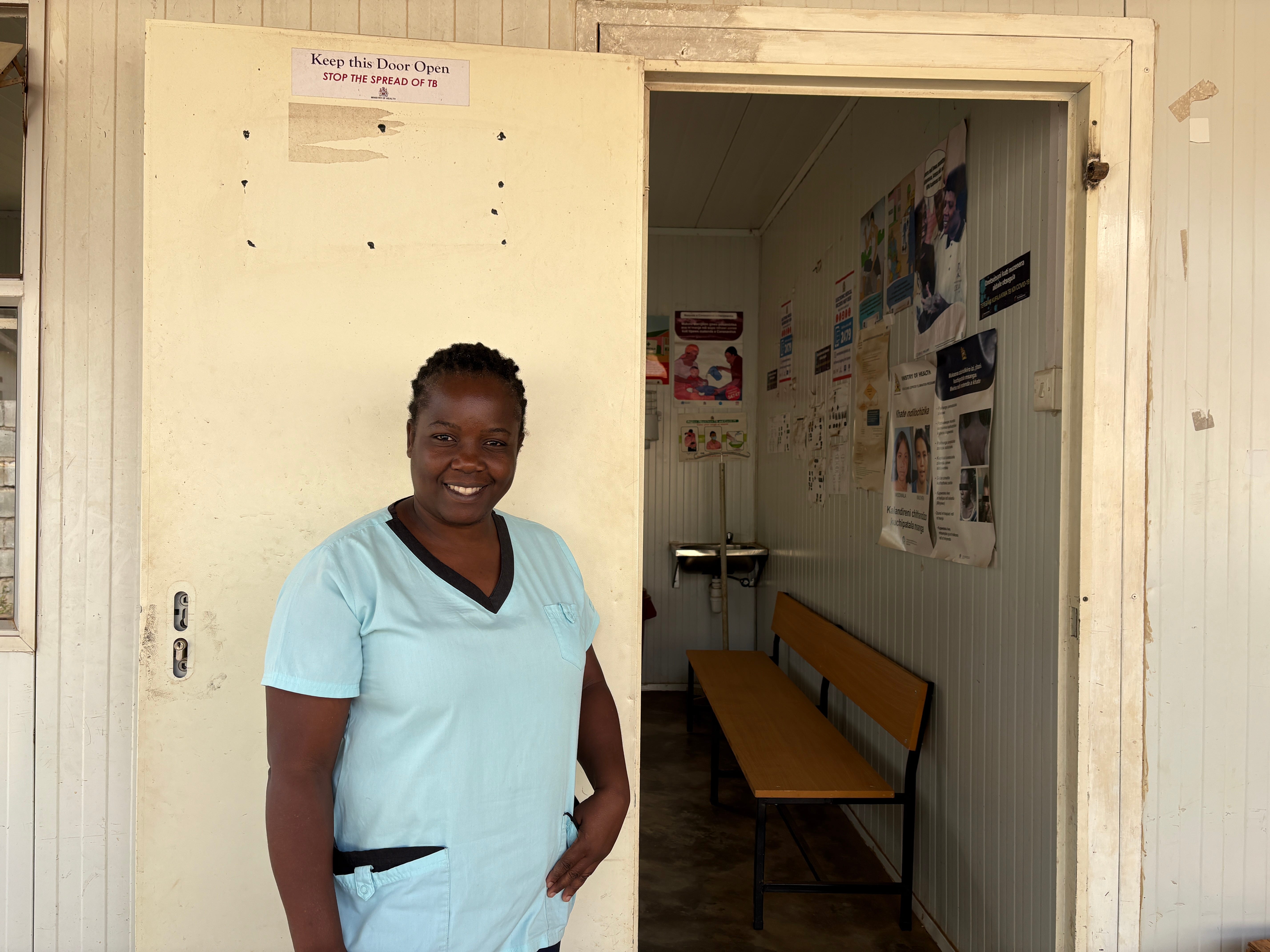
That meant expectant mothers suddenly faced longer waits when they arrived for their regular checkups. There is no way to know how many left without care, unable to spare the extra time. The remaining nurses were too overwhelmed to check up on anyone who missed an appointment.
“How can you schedule that all of the services function normally?” Mitengo asks. “There are so many disruptions.”
Mpemba Community Hospital was lucky. Their U.S.-funded nursing staff began to return in March and April, allowing Mitengo to move her nurses back to the antenatal ward.
She has no way of knowing how much harm came to the expectant mothers and their newborns in that gap. And she cannot imagine how much more loss there would have been across all departments if the nurses never returned — which is what happened in many other communities.
In the Mpemba area, it is the community health workers who never came back.
Their job was primarily to focus on HIV, including raising people’s knowledge about the virus and getting them tested and connected to services. After thousands were fired across all PEPFAR countries, it’s no surprise that testing numbers would drop. But CHWs were also a touchpoint for healthcare in communities that might not regularly interact with facilities.
They might be conducting HIV tests, but they could still spot a baby showing the symptoms of malaria or hear the cough of someone who might be suffering from tuberculosis, and encourage them to actually get help.
“We have that problem, it’s a bad habit, where people wait until it’s very late to get help,” explains Annie Chikacha. She used to volunteer to go and find people who failed to pick up their HIV treatment. Before the United States cut the program’s funding, she would often arrive at a house to find mothers too overwhelmed and too impoverished to go to a clinic, whether to pick up ARVs or to get treatment for the sick child that Chikacha might also discover.
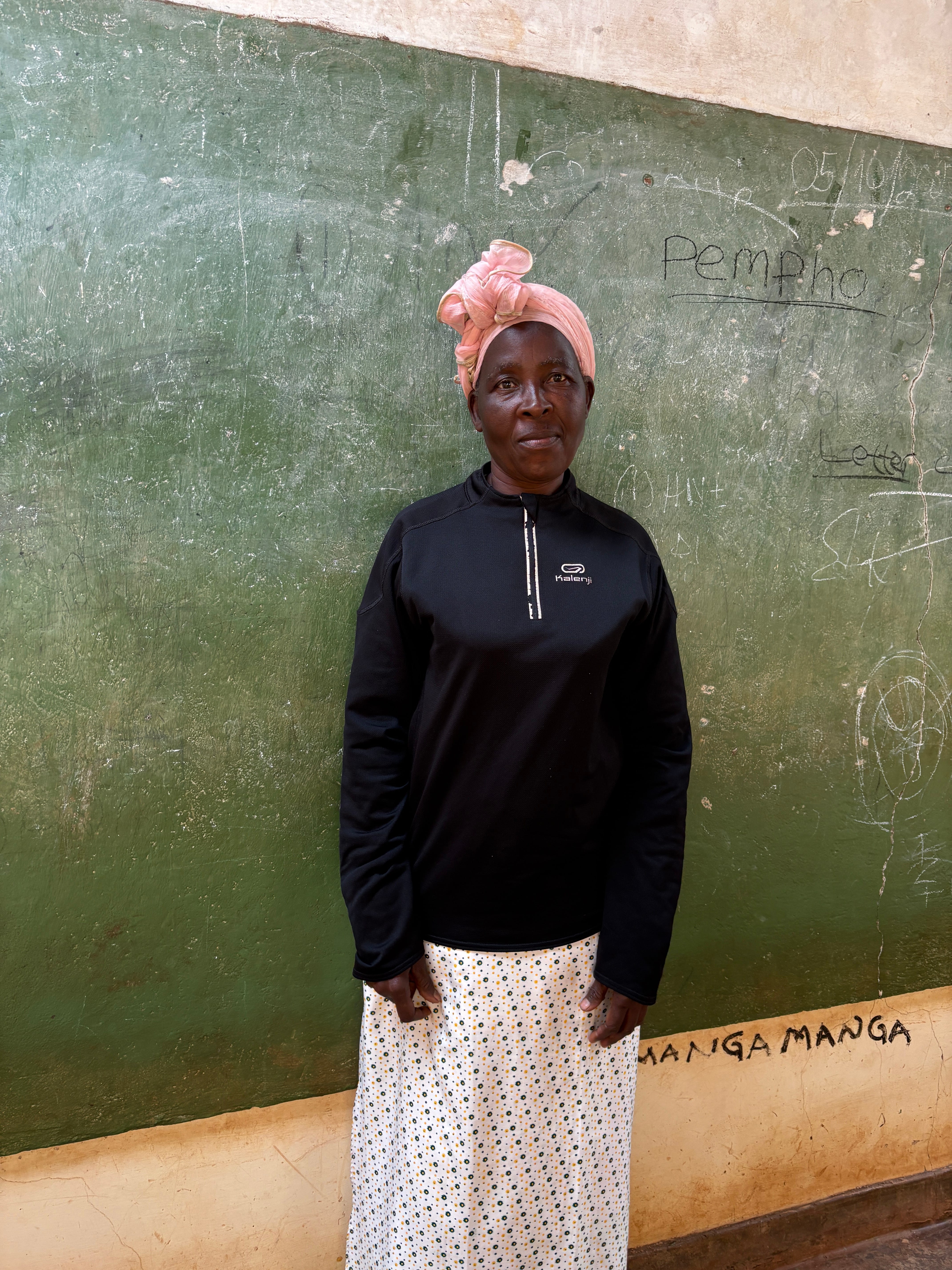
“She will tell you, ‘I have other kids I have to take care of and I have no one to leave my other kids with,’” Chikacha says. As a CHW, she saw it as her responsibility, not just to encourage someone in that position to pick up her own medicine, but to counsel her on the risk of not getting her child care. And, more importantly, to connect her to the resources that might make it easier for her to do so.
Though her program was for people living with HIV, Chikacha fears everyone in Mpemba feels the consequences of it being erased. Consequences that no data are ever likely to reflect.
“It’s going to discourage a lot of people,” she says.