

Another round
As PEPFAR programs contend with shifting funding commitments from Washington, they worry about the impact on clients

It should have been good news when the Masaka KP HIV Prevention and Support Organization, or MAHIPSO, learned it was getting another funding extension earlier this month.
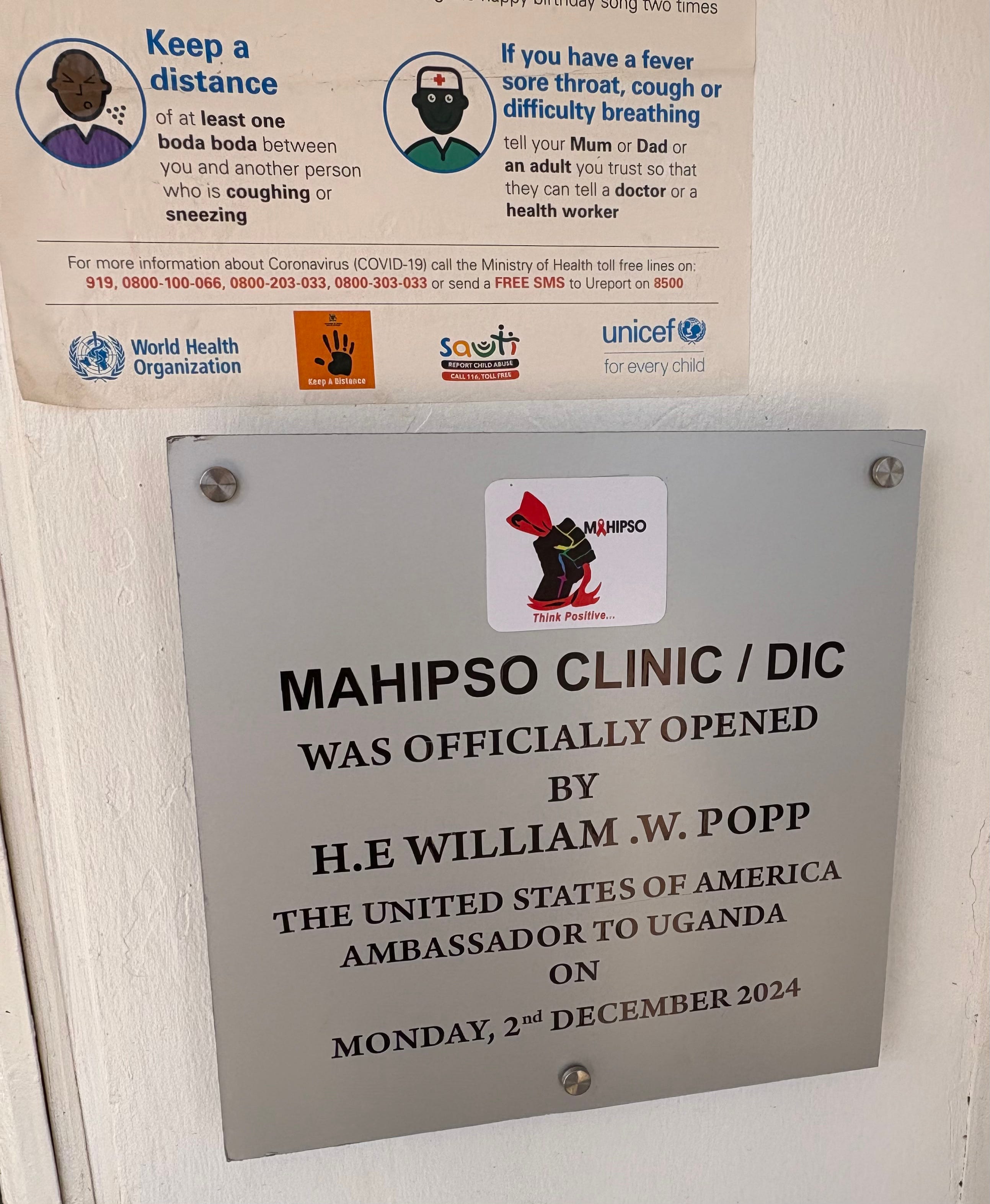
The organization is a lifeline for marginalized communities in Masaka, a bucolic town just south of where the equator cuts across Uganda. The organization has a center nestled into one of Masaka’s hillsides, where it offers clinical care for people living with HIV and prevention services for those who are at risk, but also a game room where gay men or sex workers can gather and just hang out in a safe space. The center was actually inaugurated in 2024 by the current U.S. ambassador to Uganda.
But MAHIPSO’s pride has been its outreach services. Staffed by people drawn from the communities it was supporting, the teams would go to the places where those groups hung out to offer HIV testing and counseling. On a productive night, they might hook as many as 40 people up with services.
The United States was the main source of the funding for these efforts. MAHIPSO’s program falls under the President’s Emergency Plan for AIDS Relief and is administered through the U.S. Centers for Disease Control and Prevention. CDC was one of two main implementers of PEPFAR’s programs, along with the U.S. Agency for International Development – until the latter was abruptly dismantled by the Trump administration last year.
While dozens of PEPFAR programs that USAID was funding were terminated amid the agency’s demolition, the CDC-funded programs emerged comparatively unscathed — but not completely. MAHIPSO had to endure a brief funding pause shortly after Trump took office that upset many of its 900 clients.
“Our communities out there, they’re crying. We had a strategy that we were using to bring the services closer to our communities, but now we can’t, because we don’t have the resources,” Joel Sendi, MAHIPSO’s programs director, told me when I first met him last February. “The outreaches, the home visits, the follow ups are kind of now limited because of the resources.”
U.S. financing resumed a few days after I first spoke to Sendi, but he told me it took some cajoling to convince clients to return. It didn’t help that MAHIPSO also had to contend with new guidelines instructing the organization not to track people based on what vulnerable group they belonged to. Some read this is an attempt to erase them. Others saw it as necessary to safeguard the organization’s services from a U.S. administration brazenly repressing the very groups MAHIPSO was assisting.
Whatever your reading, Sendi says it has made it more difficult to deliver care: “It’s really bad, because you can’t understand people’s needs and you know each category has a unique need which really needs to be understood.”
In the months since, MAHIPSO has continued to be buffeted by a U.S. administration attempting to reform global health financing on the fly. In July, the organization was told its funding would expire in September. Within weeks, that decision was reversed and MAHIPSO was promised financing through March – but with significant cuts.
The organization could no longer afford to coordinate meetings at community hotspots and instead sends members of their teams door-to-door. From 40 people per outreach, Sendi said they do well now to recruit two or three new clients. And because the teams are reduced, they can’t always provide all of the HIV testing and enrollment services they used to. Instead, they have to refer people to facilities and just hope they will actually go.
In the meantime, the Trump administration has rolled out plans to strike deals with countries to deliver global health funding directly to the partner governments. This would cut out programs like MAHIPSO’s. Most of those deals were supposed to be reached last year and implementation was to begin next month.
That would explain why MAHIPSO only got resources through March. It would also explain why, as I reported this week, the CDC only got about half of the funding it usually receives for its PEPFAR programs from the State Department at the start of this fiscal year in October.
Except the new bilateral agreements still aren’t exactly operational. That seems to have prompted the State Department to tell the CDC that its programs could continue for another three months, though the agency would need to fund them with some contingency money.
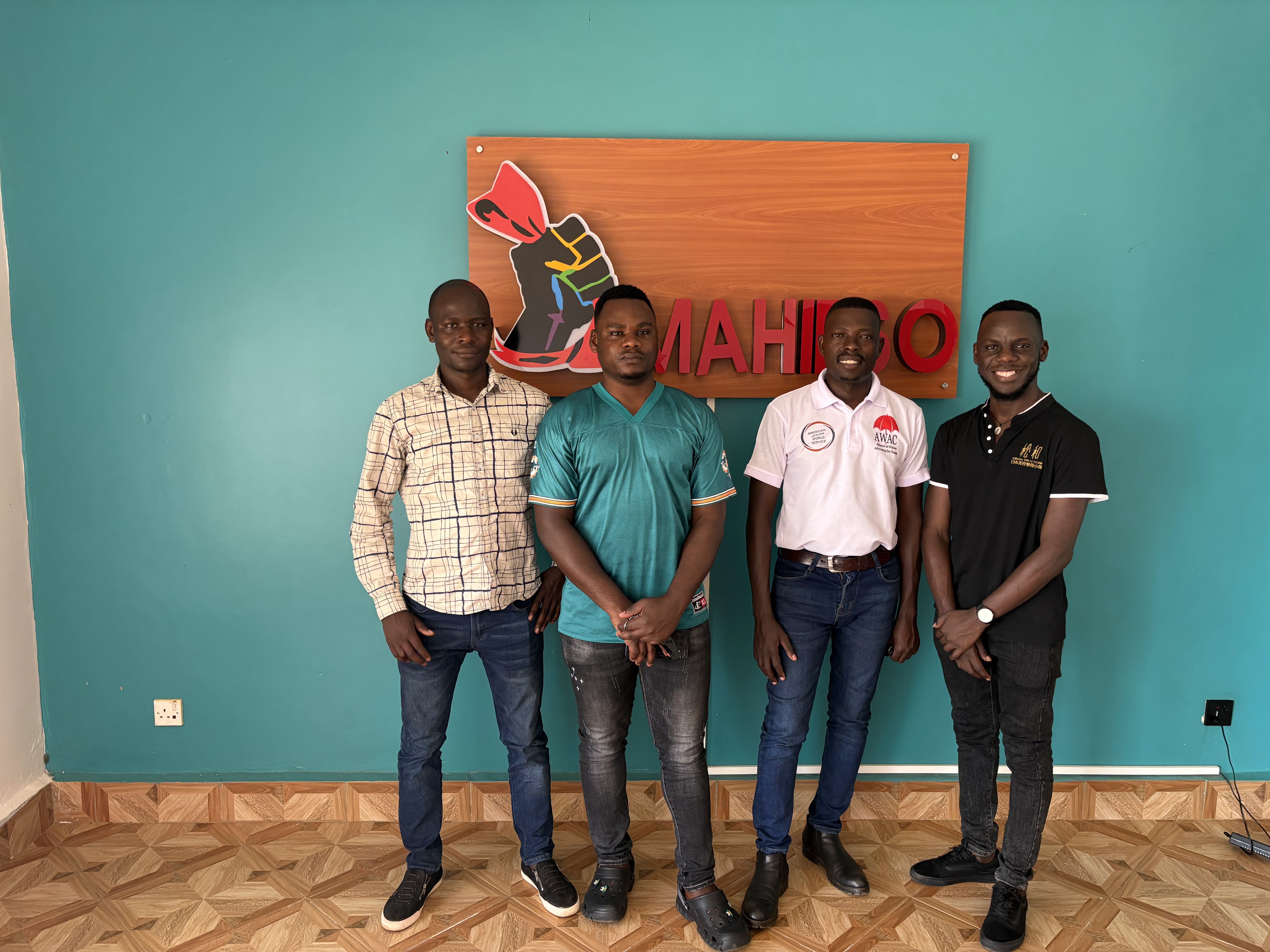
MAHIPSO found out a few weeks ago it could keep running its outreach program, at least through June. The organization also learned it would have to withstand another funding cut. They will have to drop four people from the outreach work, including two of the four officers who run the programs in the field.
While he is grateful MAHIPSO can maintain any services, Sendi said this is all taking a toll on the organization. He tries to keep the details from the people they are supporting, but it’s hard to hide the fact that the organization is being whipsawed by a U.S. administration with little regard for the impact its inconstancy is having on people’s lives.
To extract the clients from this chaos, MAHIPSO has started encouraging them to consider seeking services from government-run facilities. Because they are shored up by domestic funding, they are less susceptible to the whims of the Trump administration.
But most of MAHIPSO’s clients refuse to go. They worry about the consequences of being exposed as a sex worker or a gay man.
“We’re not sure if things are really going to be okay,” Sendi says.
thank you for this reporting.