

Another battle
Shut out of negotiations for new U.S. global health money, AIDS activists are ready to fight

Longstanding AIDS activists know it is time for another battle.
Cindy Kelemi’s AIDS advocacy career began more than two decades ago fighting drug companies for cheaper treatment. Once those were secured, she campaigned to ensure her country, Botswana, was providing those medicines to everyone who needed them, including prisoners and refugees.
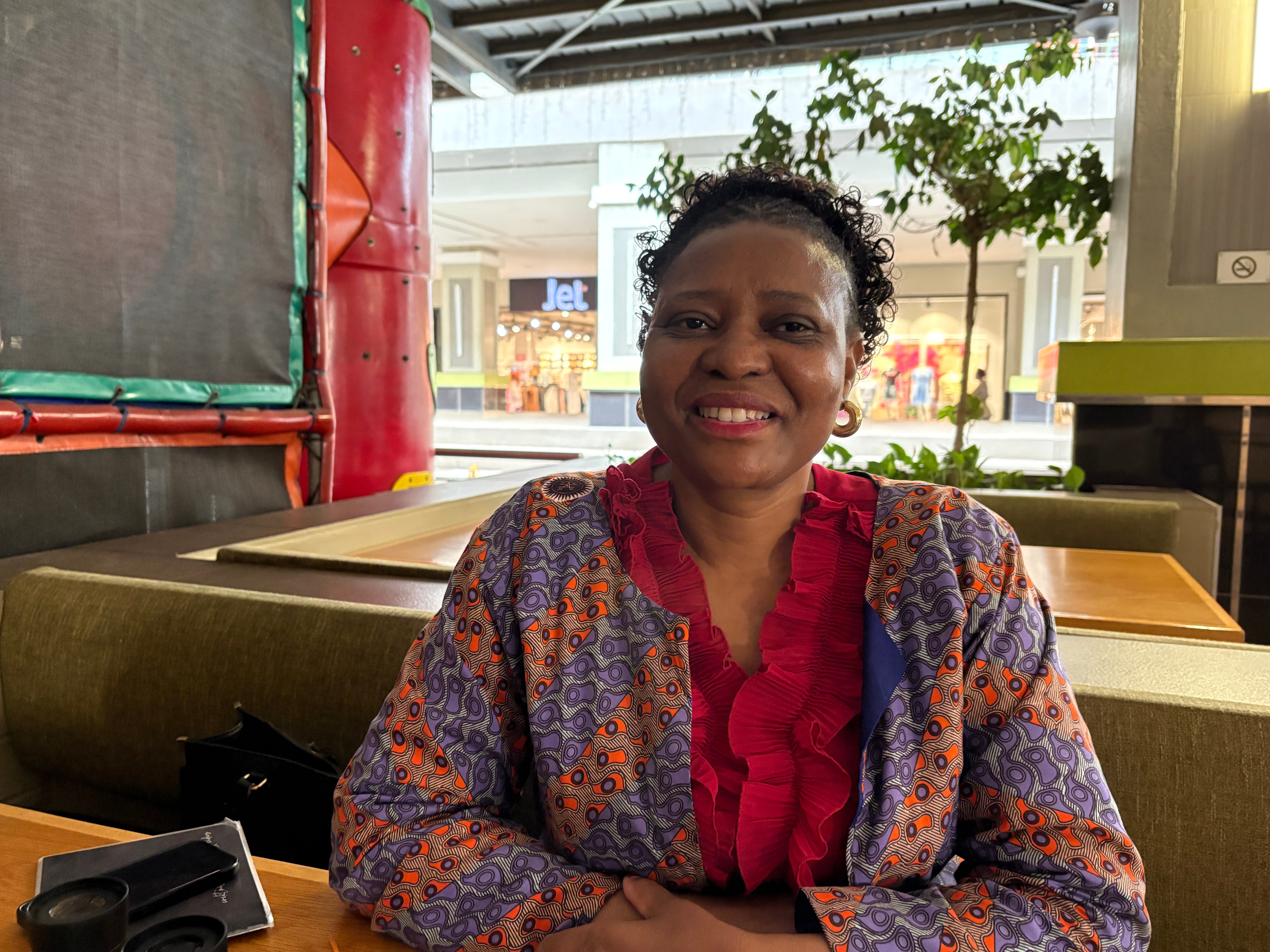
She hasn’t exactly relaxed in recent years, but there was a sense that things were going well. Botswana – and the entire sub-Saharan region – were making progress toward ending AIDS as a public health threat. In her role as the executive director of the Botswana Network on Ethics, Law and HIV/AIDS, she continued to speak to communities about their needs and nudge policymakers to make changes that would keep the response on track.
Then President Trump sent everything off the rails.
Now, after a year of watching the Trump administration dismantle the global AIDS response, there is some expectation that the situation might finally be righting. U.S. officials are just finalizing a round of bilateral agreements with more than a dozen countries in sub-Saharan Africa. In return for fairly significant amounts of health financing, Washington is looking for concessions like increased access to health data, mining regulations and, in Nigeria, new efforts to protect the country’s Christian population.
It is an unapologetically transactional process that raises legitimate concerns about some of America’s demands, including questions about patient privacy. And despite the billions on the table, when it comes to HIV, the agreements appear to be quite limited in what they will pay for. There will be little funding for services to prevent HIV infections, for instance, which any civil society leader will tell you is a threat to the broader HIV response.
Except they were never given the chance. In most of the countries that have already been through the negotiation process, advocates were cut out entirely.
These are the people who built the organizations that deliver services to the dispossessed, the marginalized and the remote. These are the people who monitor innovations and fight to make sure those new drugs and tests are actually affordable enough to benefit the people in their countries. These are the activists, like Kelemi, who hold their governments accountable and make sure the money earmarked for HIV services doesn’t go missing.
Of course, with so much international and domestic funding on the table, HIV civil society groups intend to have their say in how the money will be spent regardless of whether they were consulted or not. They know the risk of their exclusion.
“The success of any response is largely hinged on our ability to empower communities to make the right choices about their health as well as the health of others,” Kelemi says.
Even with her long history of activism, she reckons this battle will be difficult.
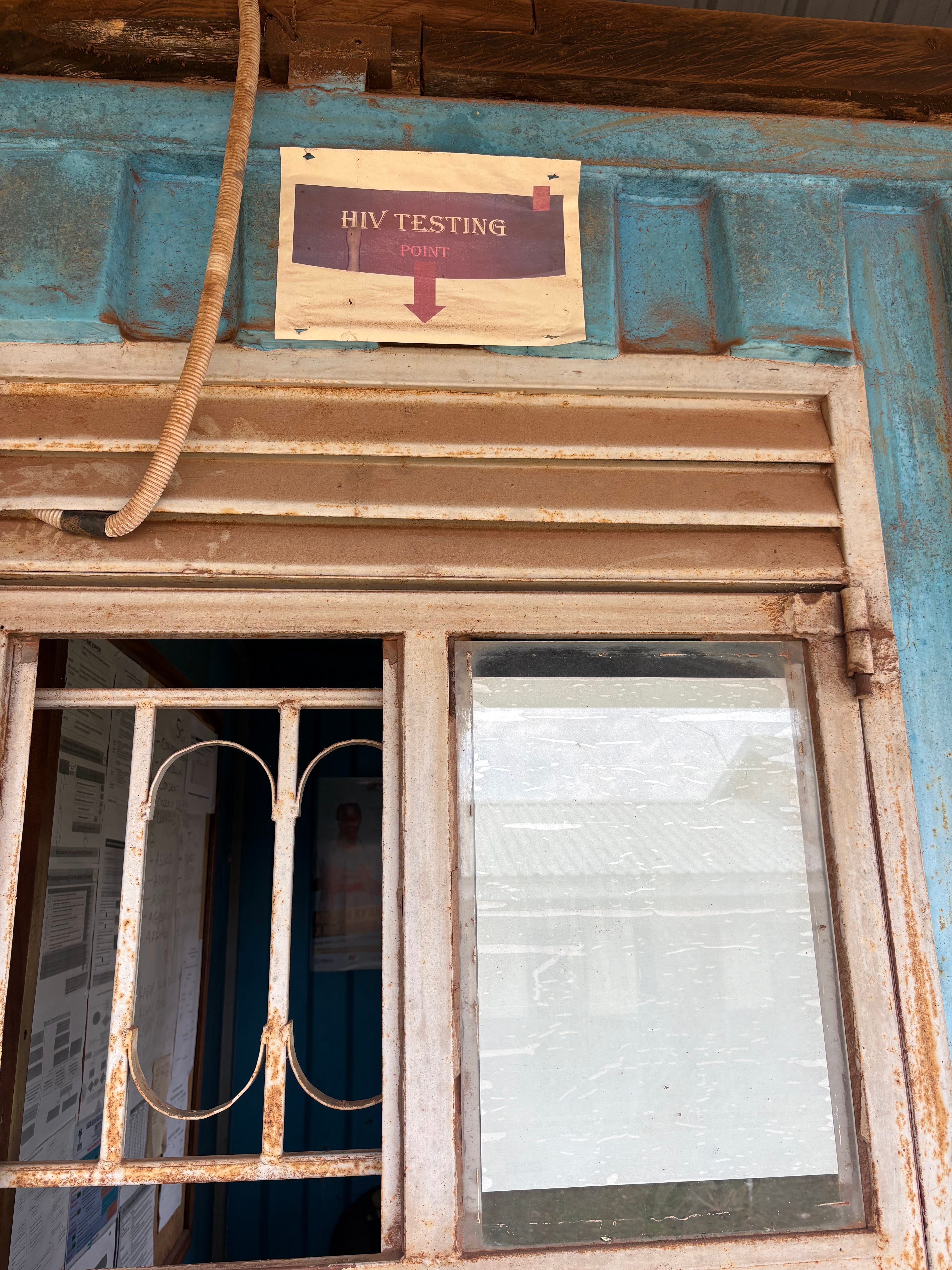
The biggest challenge is that activist groups and networks of people living with HIV were also devastated by the cuts. Many of them relied on U.S. funding to keep their offices operating.
At the same time, the activist movements and civil society groups are contending with the consequences of their own success. In pressing for advances and access, they have transformed HIV from a death sentence to a chronic, but treatable condition.
“Right now we are struggling to get through to young people because they’ve never had the experience of somebody dying with AIDS,” Kelemi says. The threat does not feel so immediate, because most of them have only ever known as HIV as “a disease that you can take treatment for.”
And while the funding cuts jeopardize much of their progress, the effects are not yet dire enough to make HIV funding a rallying point.
Maziko Matemba, of the Malawi Network of AIDS Service Organizations, has been pushing for accountability from political leaders. Ahead of the country’s elections last September, he used a presidential debate to ask the candidates about how they intended to rescue the country’s HIV response following the aid cuts.
The engagement was limited, though, both from the parties and from voters.
Even without the funding and the interest, long-time activists know what is coming if officials – both America’s and their own – ignore their demands. And that is why they are still raising the alarm, even as they begin building up a mutual aid system to assist people who have lost or will lose services.
“Let’s go back to what we used to practice previously before,” Raymond Kwesiga of the National Forum of People Living with HIV/AIDS Networks in Uganda told me last year. “We used to support one another. We used to check on one another. We used to visit one another.”
From those connections, he recognizes an opportunity for the activists to build a movement, just as previous generations did. But they must do so before too much money disappears into programs that will not sustain the gains they fought for so many years ago.